Are you dreaming of Malibu but torn between toes-in-the-sand living and the quiet drama of a cliffside estate? It is a real choice, and both lifestyles deliver standout views with very different tradeoffs in privacy, maintenance, risk, and long-term planning. In this guide, you will learn how beachfront and bluff-top homes compare on daily living, insurance, permitting, and resilience so you can buy with confidence. Let’s dive in.
Beachfront living at a glance
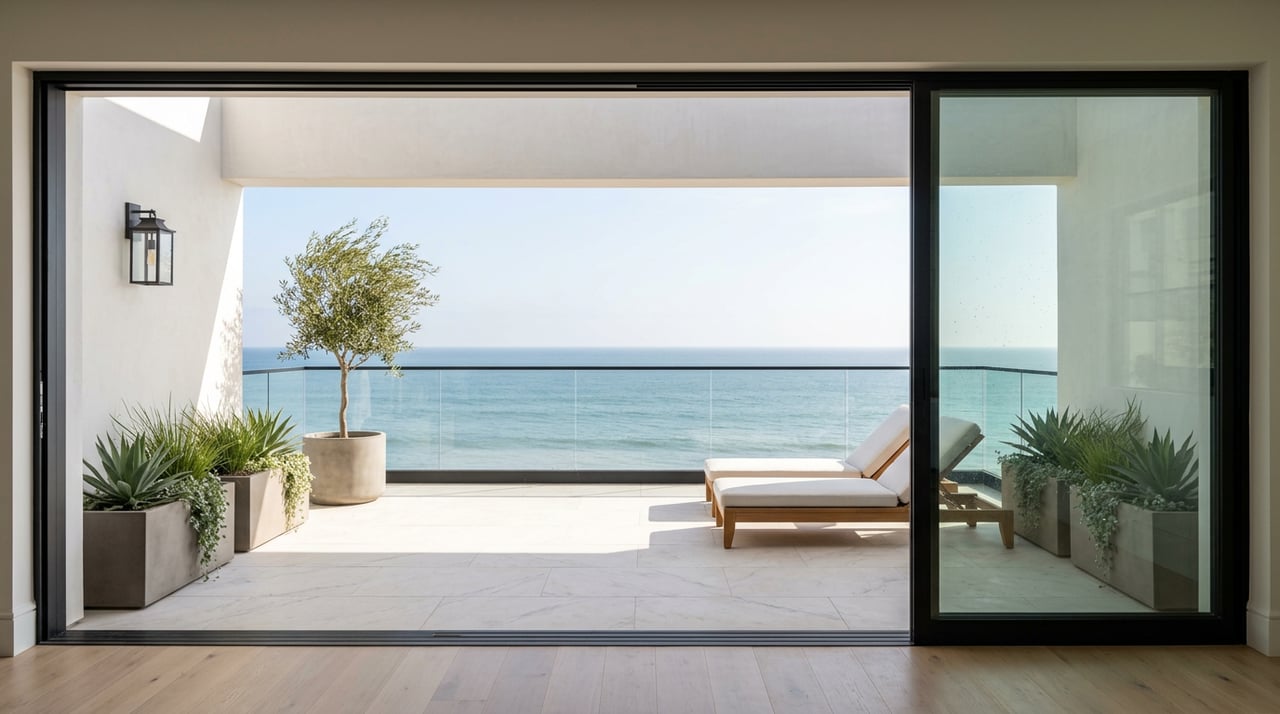
Beachfront homes put you right on the sand with horizon-to-horizon views and easy routines built around surf, sunrise walks, and sunset dinners. Interiors often lean modern with big glass and decks that open to the beach, which amplifies natural light and ocean sightlines. Expect more marine layer mornings and salt-laden air at grade, which shapes how you use outdoor spaces.
Privacy and activity levels are different on the sand. California protects public access to the coast, and the state actively enforces access in Malibu, so some lots experience foot traffic near formal accessways and high-use beaches. You should expect clear rules about not blocking access, which the state highlights in its enforcement updates on coastal access cases. You can explore how access points are distributed along Malibu’s 21-mile shoreline through the local coastal access program, which helps explain weekend and peak-season patterns. (California Coastal Commission enforcement updates, MRCA Malibu coastal access map)
From an ownership standpoint, salt air accelerates wear. FEMA’s Coastal Construction Manual recommends corrosion-resistant fasteners, protected mechanicals, and more frequent exterior upkeep, which is a practical baseline for homes close to the surf. Budget for shorter cycles on paint, hardware, deck surfaces, and window seals. If you plan a remodel or rebuild, expect your team to follow coastal construction best practices. (FEMA Coastal Construction Manual)
Insurance and permitting are also distinct on the sand. Standard homeowners insurance does not include flood, and many beachfront parcels sit in flood zones where a lender will require a separate flood policy. Before you write an offer, check National Flood Insurance Program basics and pull the parcel’s flood map through FEMA’s address tool. Malibu’s Local Coastal Program also requires siting and elevations that account for flooding and long-term hazards, which can affect design and timelines. (FEMA FloodSmart overview, FEMA Flood Map Service Center address search, City of Malibu Local Coastal Program)
Bluff-top and hillside living at a glance
Elevation changes the experience. Bluff-top and hillside properties deliver sweeping 180-degree views that take in coastline and inland hills, with room for larger terraces, lawns, and pools. Driveways and motor courts typically create easier guest circulation and a more private arrival, which many owners value for hosting.
Hazards differ at elevation. Malibu sits in a wildland-urban interface, and the 2018 Woolsey Fire documented fast-moving, wind-driven fire behavior that reached the coast. Owning uphill usually means more robust vegetation management, defensible space, and fire-hardening, as well as attention to slope stability and drainage. Those realities influence insurance, design choices, and operational budgets. (County of Los Angeles Woolsey Fire After Action Review)
On the permitting side, bluff and hillside projects typically require geotechnical studies, grading limits, and fire-safety compliance. Malibu’s Local Coastal Program also conditions development near bluff edges to account for long-term retreat and stability, which can limit permanent improvements at the edge and shape site planning. For insurance, the California Department of Insurance continues to implement reforms aimed at stabilizing coverage and expanding wildfire-hardening discounts, but availability and pricing remain location specific. Work with your advisor and carrier early in the process. (City of Malibu Local Coastal Program, California Department of Insurance updates)
What daily life feels like
Weekend on the sand
You wake up to waves, sip coffee on a deck that opens to the beach, and head out for a walk or paddle without getting in the car. Restaurants and shoreline paths may be a short stroll away. On busy weekends, you will notice more activity near public access points and parking on PCH.
Weekend on the bluff
You host friends on a broad terrace with a long, unobstructed sunset. Parking is straightforward, and guest flow is easy. When you want the beach, you likely drive a few minutes to an access point, then return home to quiet and privacy. (MRCA Malibu coastal access map)
Long-term resilience and permits
California expects sea-level rise and bluff retreat to shape development decisions. Malibu’s Local Coastal Program requires new oceanfront and blufftop projects to be sited outside hazard zones or elevated appropriately for the structure’s economic life. The California Coastal Commission’s guidance prioritizes non-structural adaptation and strictly limits shoreline armoring, which can cause beach loss, so buyers should plan for careful siting over future walls. To visualize broad exposure scenarios for a specific stretch of coast, use NOAA’s Sea Level Rise Viewer as a screening tool before engaging consultants. (City of Malibu Local Coastal Program, Coastal Commission shoreline armoring guidance, NOAA Sea Level Rise Viewer)
Cost and upkeep snapshot
- Beachfront: corrosion from salt air accelerates wear on metal connectors, exterior finishes, and mechanical systems, so plan for more frequent exterior service and replacement intervals. Simple design choices, like specifying stainless or hot-dipped galvanized hardware, pay off. (FEMA Coastal Construction Manual)
- Bluff-top and hillside: budgets often include drainage and retaining wall upkeep, vegetation management, and access road or driveway maintenance. Fire-hardening and defensible space work are ongoing, not one-time items. (County of Los Angeles Woolsey Fire After Action Review)
Due-diligence checklist for Malibu buyers
Use this checklist early, ideally before you draft an offer:
- Pull the parcel’s flood map and Base Flood Elevation through FEMA’s address search, and confirm whether a lender would require flood insurance. Review NFIP basics and consider private market options. (FEMA Flood Map Service Center, FEMA FloodSmart overview)
- Review Malibu’s Local Coastal Program and any recorded permits or conditions for the property, paying close attention to public access easements and bluff or shoreline setback requirements. (City of Malibu Local Coastal Program)
- Commission a site-specific geotechnical report that addresses bluff retreat projections, slope stability, and long-term erosion modeling for the expected life of the structure. If relevant, verify how local models inform regulatory decisions. (Start with your geotechnical consultant and permit records.)
- Screen sea-level rise exposure using NOAA’s viewer to understand general inundation scenarios, then refine with professional modeling tied to your parcel. (NOAA Sea Level Rise Viewer)
- Confirm wildfire context, including recent perimeters, evacuation routes, and defensible space compliance, then discuss insurance availability and potential wildfire-hardening discounts with your broker. (County of Los Angeles Woolsey Fire After Action Review, California Department of Insurance updates)
- Ask a coastal-experienced contractor to build a maintenance plan and annualized budget for exterior systems, finishes, and mechanicals that reflects your home’s exact distance from the surf. (FEMA Coastal Construction Manual)
- Verify public access context by requesting recorded easements and reviewing recent coastal enforcement actions, especially if you are evaluating a first-row lot. (California Coastal Commission enforcement updates)
Which Malibu is right for you?
Choose beachfront if you want immediate, daily contact with the ocean and you are comfortable with higher coastal maintenance, more public activity nearby, and focused permitting around flooding and sea-level rise. Choose bluff-top or hillside if you prefer panoramic views, larger private grounds, and a quieter setting, and you are prepared for wildfire planning, slope stewardship, and driveway logistics. Neither setting is universally better, they simply serve different priorities. The right answer is the home that aligns with how you actually live and host.
When you are ready to explore Malibu’s coastline with a trusted, Westside-based team, we are here to help. Connect with Pence Hathorn Silver for clear guidance, private opportunities, and a tailored plan that puts your goals first.
Schedule a Free Consultation with Pence Hathorn Silver.
FAQs
How do Malibu rules affect seawalls for oceanfront homes?
- Malibu’s Local Coastal Program and the California Coastal Commission prioritize siting outside hazard zones and limit shoreline armoring, which is only allowed when necessary and often heavily conditioned to avoid beach loss. (Coastal armoring guidance)
What should I know about flood insurance for a Malibu beachfront home?
- Standard homeowners insurance does not cover flood; you may need separate NFIP or private flood coverage depending on your zone and lender requirements. Start with FEMA’s FloodSmart overview and verify your address in FEMA’s map tool. (Flood basics, FEMA map search)
Are bluff-top homes more private than beachfront homes in Malibu?
- Generally yes, because elevated lots are set back from public shoreline activity and have private driveways, while beachfront parcels can experience people near formal accessways along the coast. Review access maps to understand local patterns. (MRCA Malibu coastal access map)
How significant is wildfire risk for Malibu hillside properties?
- Wildfire is a core consideration in Malibu’s hills; the Woolsey Fire documented rapid spread and significant losses, which informs today’s focus on defensible space, hardening, and evacuation planning. (Woolsey Fire After Action Review)
How can I preview sea-level rise exposure for a Malibu property?
- Use NOAA’s Sea Level Rise Viewer to explore local scenarios as a first screen, then hire experts for parcel-specific modeling that reflects your home’s expected lifespan. (NOAA Sea Level Rise Viewer)