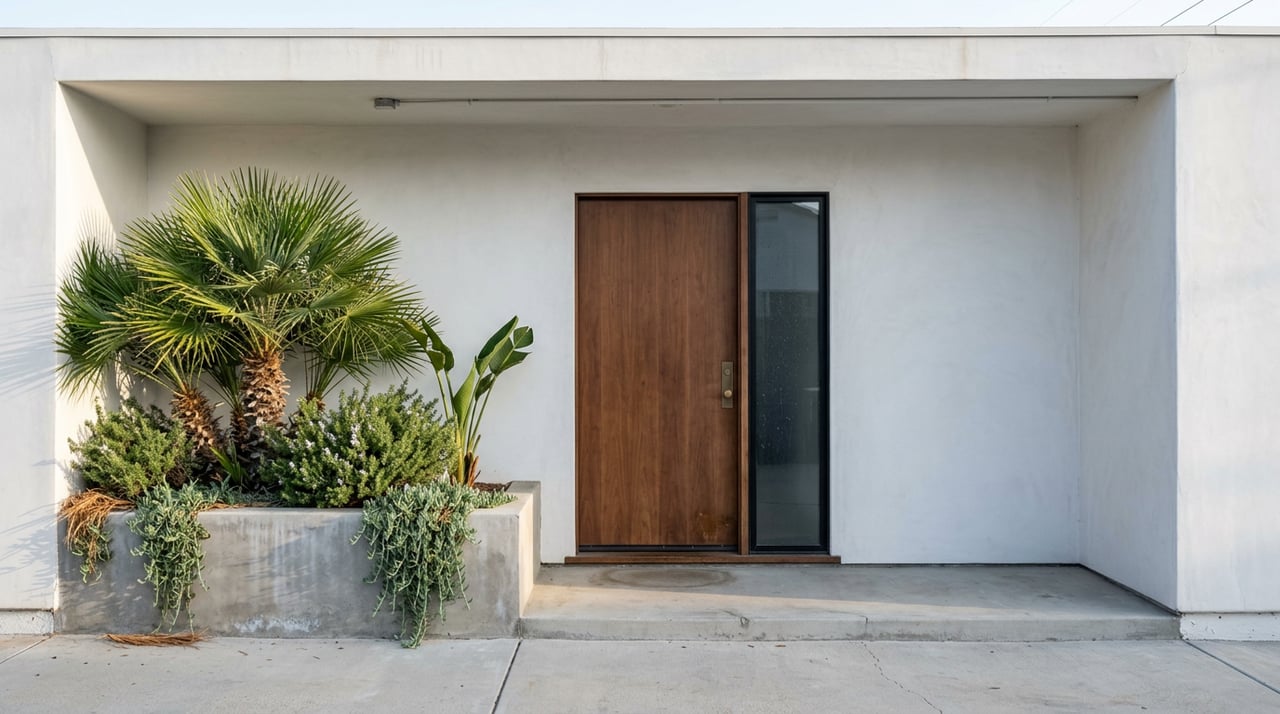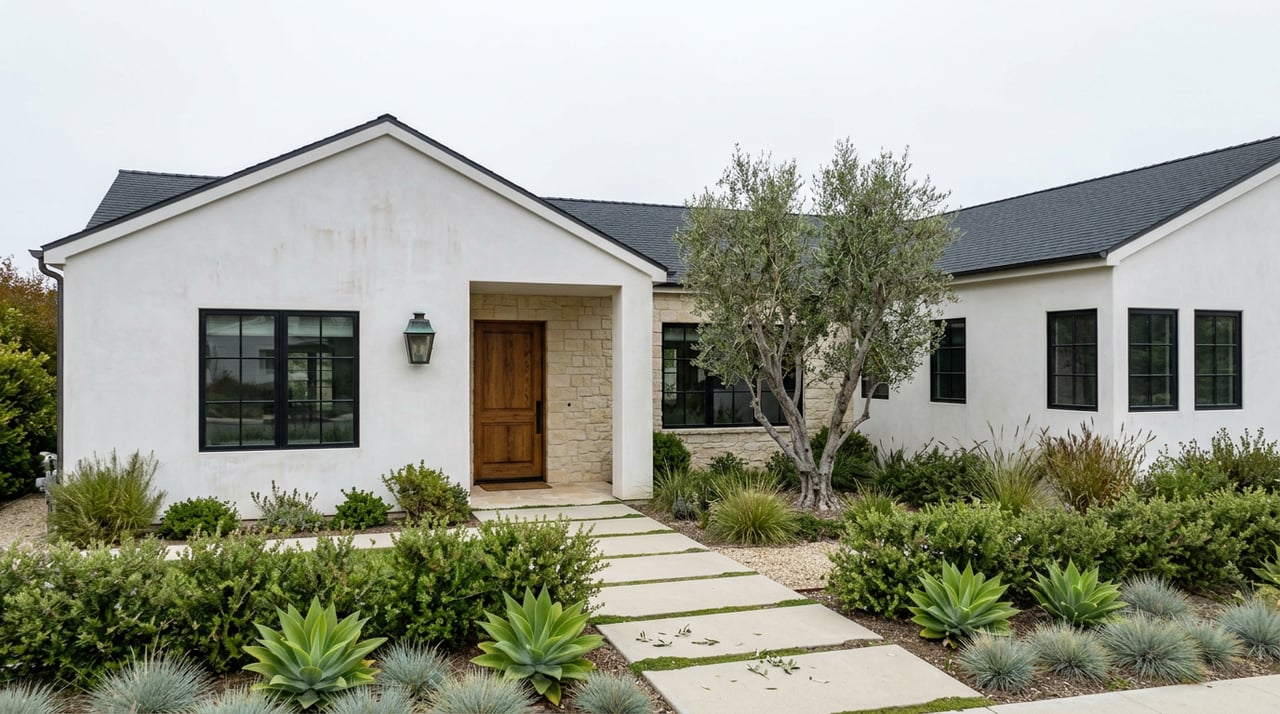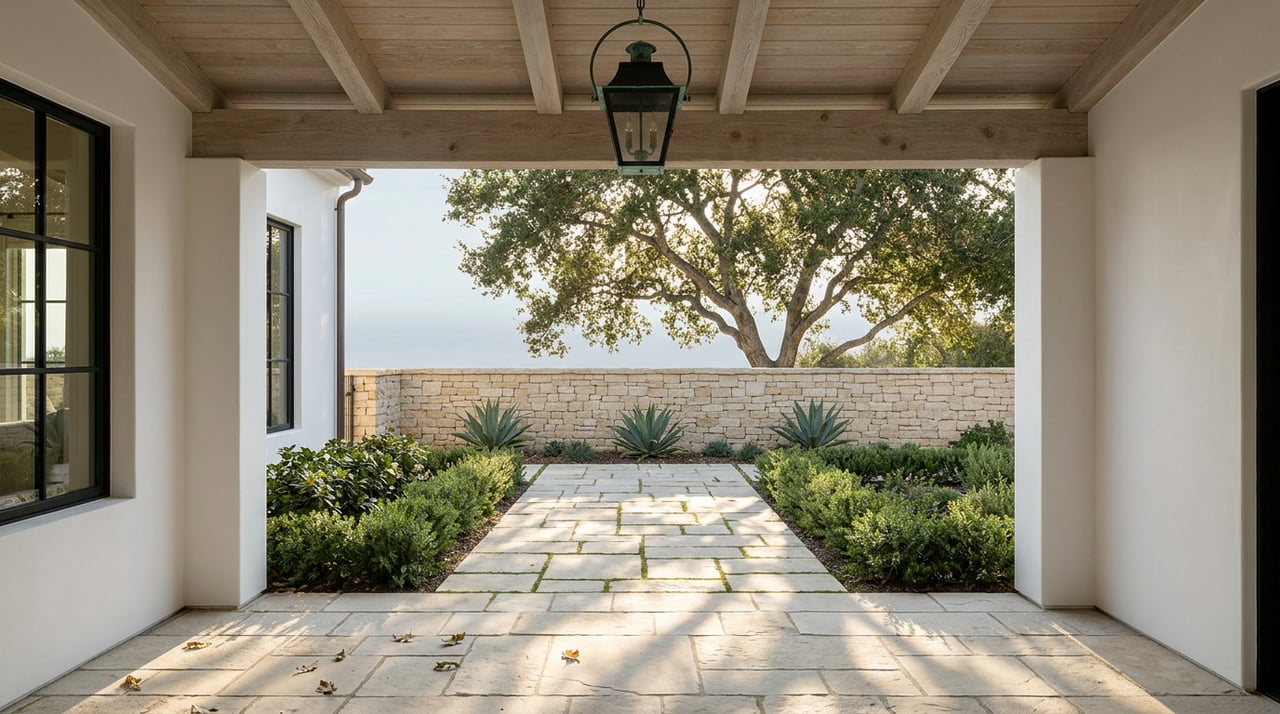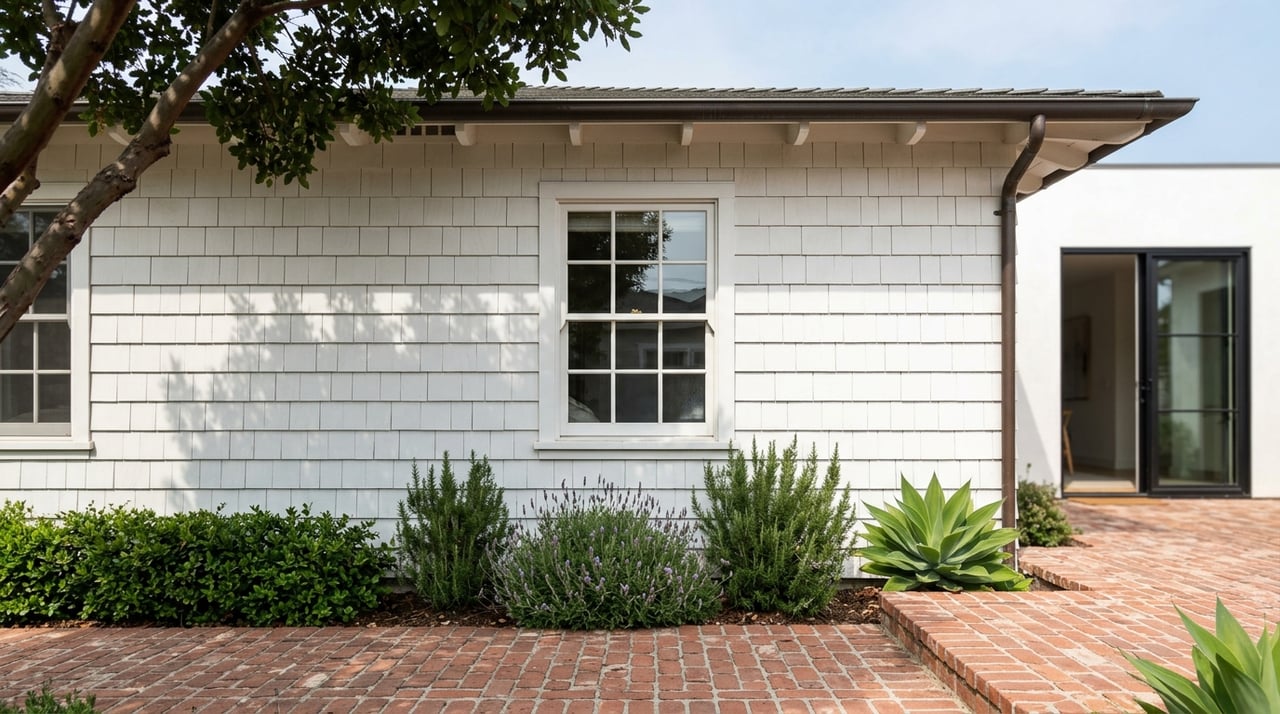
Choosing between a polished new build and a character-rich older home in Brentwood is not always a simple style decision. In this part of the Westside, you are often weighing lifestyle, maintenance, architecture, and long-term fit all at once. The good news is that Brentwood offers real variety, and once you understand how the neighborhood is built, the decision becomes much clearer. Let’s dive in.
Brentwood has a layered housing story
Brentwood is a low-density, mostly single-family neighborhood with a long development history rather than one dominant housing era. According to the Brentwood-Pacific Palisades Community Plan area resources, the area also includes planning overlays and specific plans that can shape how properties are improved or redeveloped.
That layered history matters when you are comparing new construction with a classic charmer. SurveyLA’s Brentwood and Pacific Palisades findings show homes from the 1910s through the 1970s, with styles including Craftsman, Period Revival, Ranch, Modern, New Formalist, and Post-Modern. In other words, Brentwood is less of a tract-home market and more of a patchwork of established residential pockets.
What new construction means in Brentwood
In Brentwood, new construction usually means a replacement home or infill project on an existing lot, not a large-scale subdivision. That fits the area’s mostly single-family fabric and long history of custom residential development, as reflected in SurveyLA’s neighborhood report.
For many buyers, the appeal is straightforward. A newer home often offers a more current floor plan, updated systems, and fewer early maintenance surprises. If you want move-in readiness and a home designed around today’s living patterns, that can be a meaningful advantage.
Why buyers lean toward new builds
A new home can offer more predictability during your first years of ownership. The Los Angeles Department of Building and Safety outlines the city’s plan review, permit, and inspection process, which helps explain why many buyers see newer construction as easier to manage from a systems and compliance standpoint.
Energy performance is also part of the conversation. The California Energy Commission’s 2025 Building Energy Efficiency Standards state that the 2025 Energy Code applies to permit applications on or after January 1, 2026, and expands heat pumps in newly constructed residential buildings, encourages electric-readiness, and strengthens ventilation standards. That does not make every new home identical, but it does mean newer projects are being shaped by current code requirements.
New construction may fit you if
- You want a more predictable move-in timeline after closing
- You prefer current systems and code-conscious design
- You want a layout with features like larger kitchens, office space, and indoor-outdoor flow
- You would rather avoid taking on a renovation project right away
What classic charm means in Brentwood
A classic Brentwood home is about more than age. It is often about architectural identity, mature landscaping, and the sense that the home belongs to a specific moment in the neighborhood’s development.
That can look very different from one pocket to the next. SurveyLA points to Brentwood Park as one of the earliest subdivisions, with homes dating from the 1920s to 1950s in styles such as American Colonial, Spanish Colonial, Tudor, early Modern, and Ranch. It also identifies Crestwood Hills as a notable mid-century area in upper Kenter Canyon, with homes known for concrete block, wood, expansive glass walls, and low-pitched roofs.
For many buyers, that kind of character is the point. A classic home can offer a stronger sense of place and a design vocabulary that feels tied to Brentwood itself.
Why buyers are drawn to older homes
Older homes can offer details that are hard to recreate with the same authenticity. Depending on the property, that may include original proportions, established garden settings, or period architecture that gives the home a distinct identity.
Brentwood’s development history supports that appeal. The neighborhood includes early subdivisions, postwar housing, and custom homes built across decades, which creates a more varied visual fabric than you will find in many newer communities.
Classic charm may fit you if
- You value architectural originality and neighborhood identity
- You are comfortable improving a home over time
- You see renovation potential as an opportunity, not just a cost
- You want a property with established landscaping and a more layered setting
The tradeoff is often project complexity
The biggest difference between a newer home and a classic charmer is not always style. Often, it is the amount of uncertainty you are willing to manage.
With an older home, upgrades and repairs may involve more due diligence. The LADBS plan check and permit process notes that work in Los Angeles moves through plan review, permitting, inspections, and property records, and those records can help show what was built with permits. That matters when you are evaluating renovations, additions, or system updates completed over time.
Energy performance is another factor. The California Energy Commission notes that Title 24 applies to new construction, additions, and permitted retrofits, and its Home Energy Rating and Labeling Program is meant to provide reliable information on the relative energy performance of both new and existing homes. In practical terms, an older home may absolutely be improved, but you should not assume it performs like a newly built property.
Historic review can affect renovations
Some older homes may come with an extra layer of review. The City of Los Angeles explains that if a property is in a local historic district or is individually designated, exterior renovations, additions, new construction, landscaping, and even paint can trigger added review through the historic district project review process.
That does not mean you should avoid an older home. It simply means you should understand the approval path before making renovation plans. The same city resource also notes that the Mills Act may provide a property-tax reduction for Los Angeles Historic-Cultural Monuments and contributing properties in HPOZs.
A Brentwood-specific way to decide
For most buyers, this choice comes down to three questions: how soon you want to be settled, how much project management you can tolerate, and how much value you place on architecture versus efficiency.
If your priority is convenience, a current layout, and fewer early-life surprises, new construction may be the better match. If your priority is a home with period identity, mature surroundings, and a stronger connection to Brentwood’s residential history, a classic property may be worth the extra work.
Use this decision lens
| If you prioritize... | You may prefer... |
|---|---|
| Move-in readiness | New construction |
| Newer systems | New construction |
| Current code framework | New construction |
| Architectural character | Classic charmer |
| Established setting | Classic charmer |
| Long-term personalization | Classic charmer |
Due diligence matters in either case
No matter which direction you lean, Brentwood rewards careful property-level research. The city’s zoning review guidance explains that zoning review checks consistency with regulations such as land use, scale, height, and setbacks after a permit application is submitted to LADBS.
For buyers, a practical checklist includes:
- Verify zoning and any applicable overlays
- Review available permit history and building records
- Confirm whether the property has local historic status or district review requirements
- Assess whether the home is a likely candidate for energy or systems upgrades
City Planning also points buyers to property-level tools such as ZIMAS through its zoning review page, while LADBS maintains permit and property records. Those steps can help you compare two very different homes on a more informed basis.
Canyon and hillside properties need extra care
In parts of Brentwood, especially canyon and hillside settings, homes may sit behind privacy walls, dense landscaping, long driveways, gates, or private streets. SurveyLA notes that this can make exterior evaluation less straightforward.
That is important when you are touring properties. In these areas, site access, lot configuration, and exterior condition can matter just as much as interior finishes. A home that photographs beautifully may still need a closer look at practical details tied to its setting.
The best choice is the one that fits your ownership style
In Brentwood, there is no universal winner between new construction and classic charm. The better option is the one that matches how you want to live, how hands-on you want to be, and what kind of home experience you want over the next several years.
If you want help comparing property types, evaluating neighborhood fit, or navigating a Brentwood search with a more tailored strategy, Pence Hathorn Silver offers the kind of local guidance that can make a nuanced decision feel much more manageable.
FAQs
What does new construction usually mean in Brentwood?
- In Brentwood, new construction usually refers to a replacement or infill home on an existing lot rather than a subdivision-scale development.
What defines a classic charmer in Brentwood?
- A classic charmer in Brentwood usually means an older home with architectural character, mature landscaping, and a stronger connection to the neighborhood’s development history.
How can you check permit history for a Brentwood home?
- You can review permit and property record information through LADBS and use city planning resources referenced on the zoning review page for property-specific research.
Do older Brentwood homes always have worse energy performance?
- No, but older homes do not automatically match the code-current performance of a newly built home, so it is smart to evaluate upgrades and energy-related improvements carefully.
Can historic status affect renovations in Brentwood?
- Yes, if a property is individually designated or located in a local historic district, exterior work and some other changes may require additional city review.
What should you look at besides finishes in Brentwood canyon homes?
- In canyon and hillside areas, you should also pay close attention to site access, lot conditions, exterior visibility, and the practical impact of gates, long driveways, or private streets.