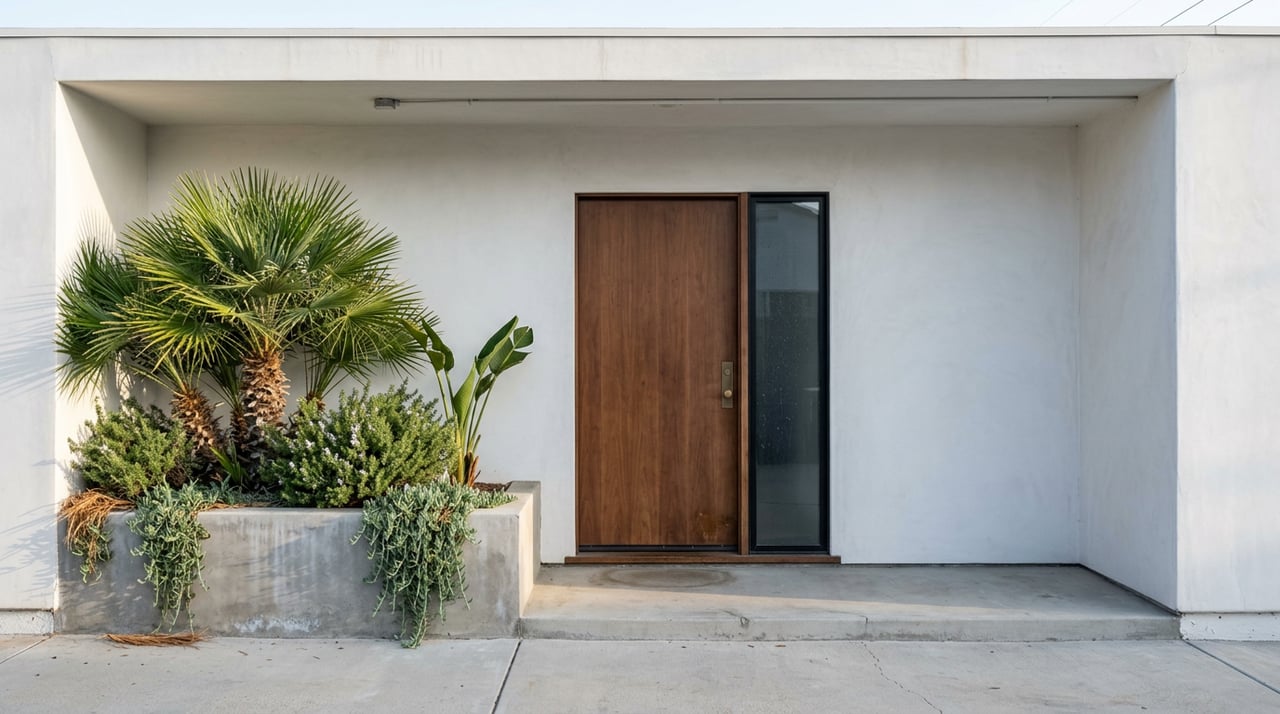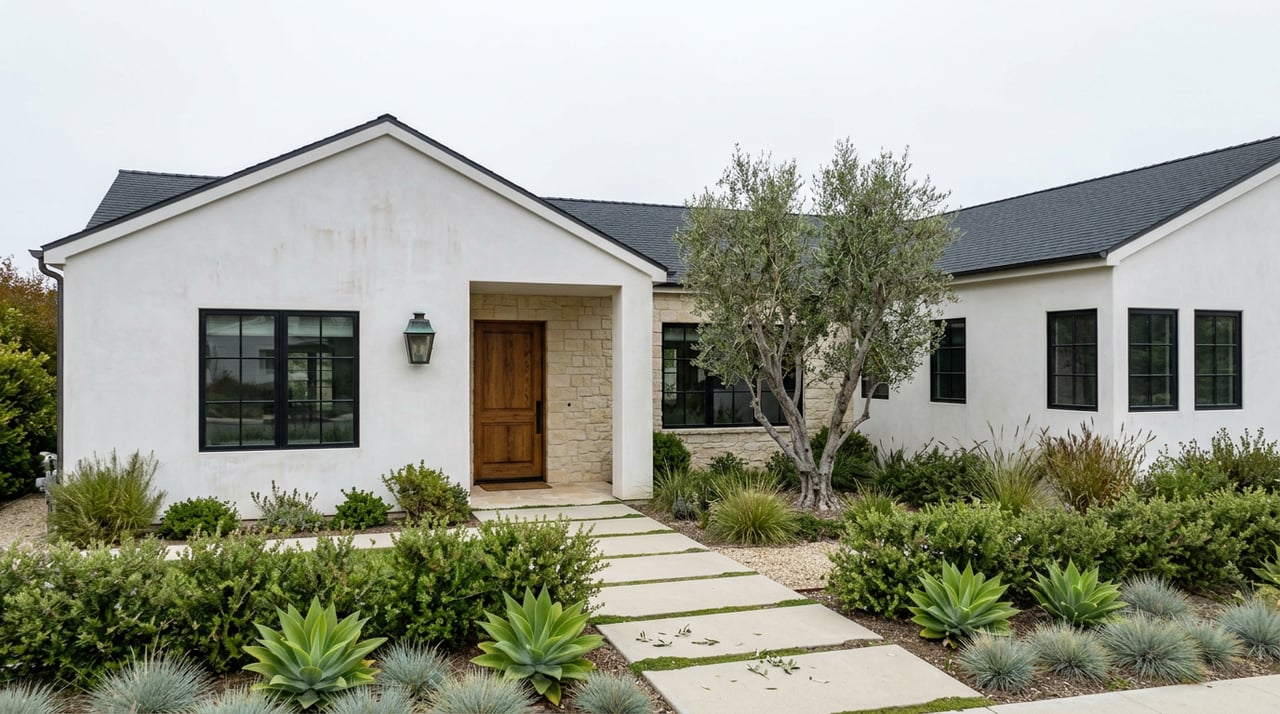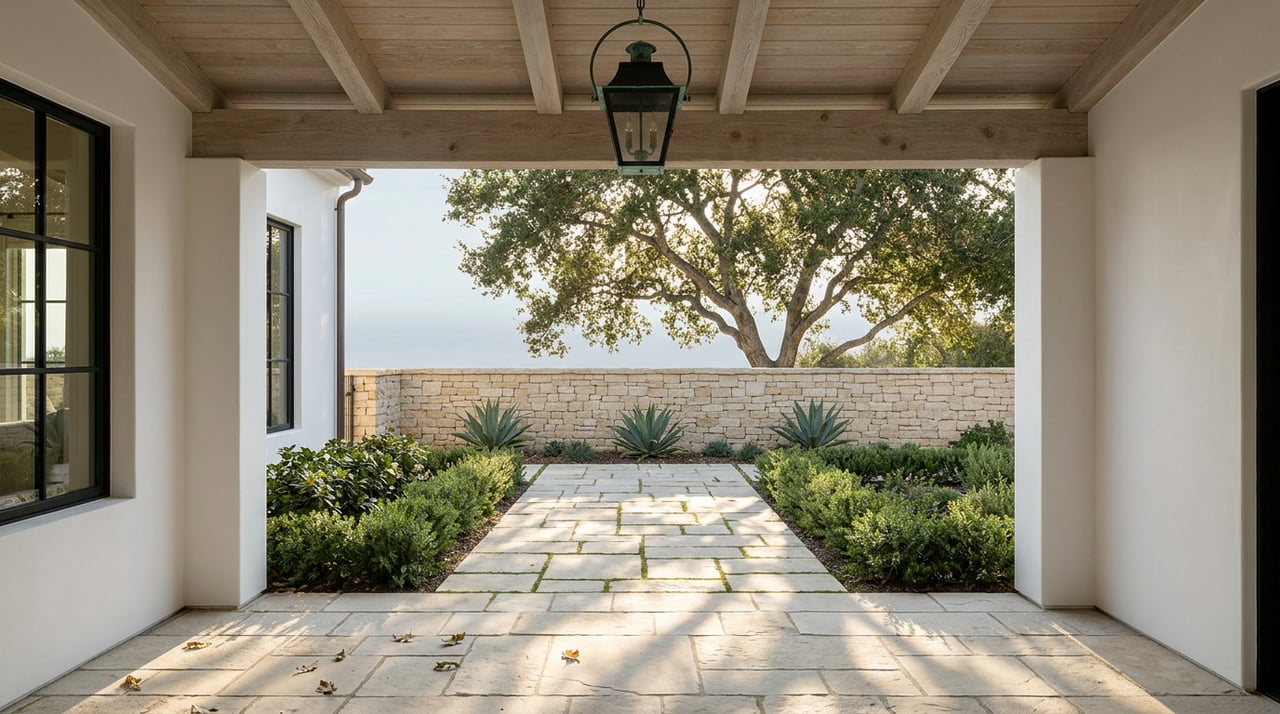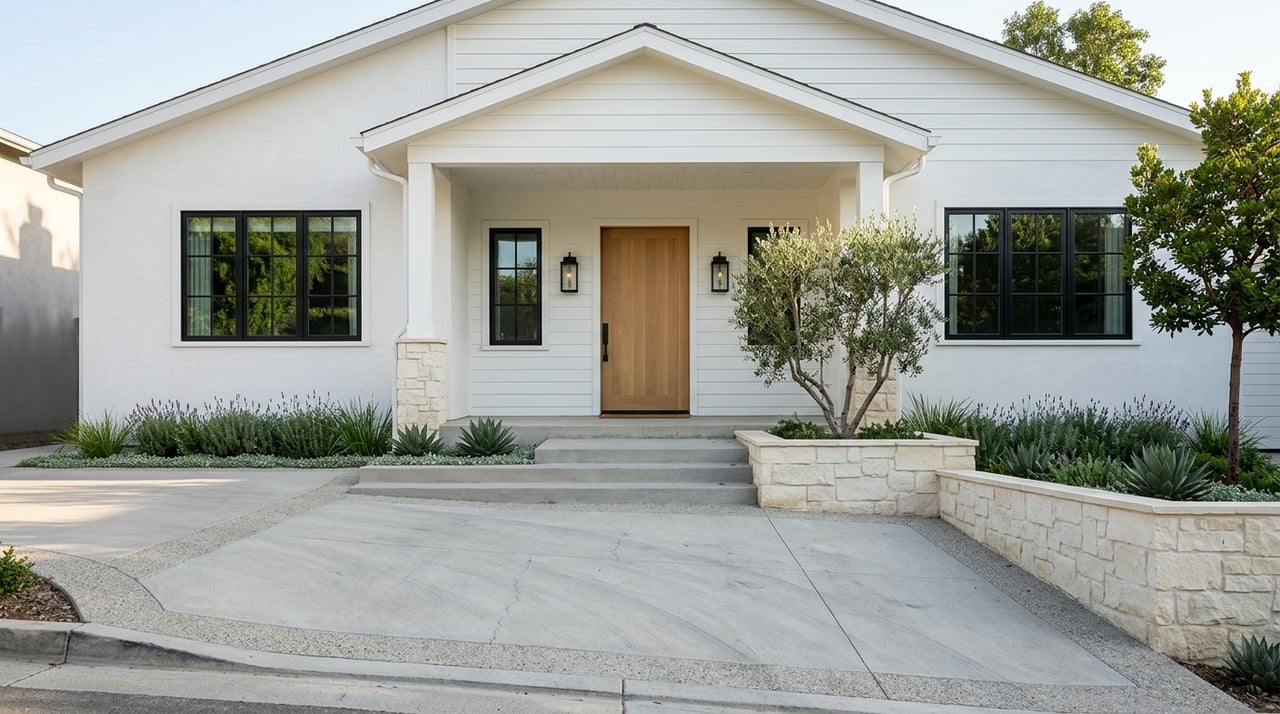
Wondering whether Beverly Hills living is better on the Flats or in the hills? If you are comparing homes in this market, you are really choosing between two very different day-to-day experiences. One tends to offer flatter streets, easier walking, and classic street presence, while the other often delivers more privacy, bigger topographic drama, and view-focused living. Let’s break down what matters most so you can decide which setting fits the way you want to live.
What “Flats” and “Hillside” Mean
In everyday real estate language, buyers often talk about the Beverly Hills Flats versus hillside homes. Officially, though, the city does not define a separate Flats district. Instead, Beverly Hills regulates single-family homes through the Central Area, the Hillside Area, and Trousdale Estates, each with different rules.
For most buyers, the Flats comparison maps closely to the flatter, more street-oriented Central Area. The Hillside Area is generally north of Sunset Boulevard, though the boundary can vary in some places. That distinction matters because the setting of the home affects not just lifestyle, but also what future work on the property may involve.
Flats Living in Beverly Hills
The Flats are usually the better fit if you picture Beverly Hills as tree-lined streets, traditional curb appeal, and easier day-to-day movement on foot. This part of the city tends to feel more regular in layout, with homes that are more visible from the street and lots that read clearly as part of the neighborhood streetscape. That creates a classic residential feel many buyers specifically want.
The citywide walkability story supports that appeal. Beverly Hills has a Walk Score of 75 in Redfin’s city guide, and the city identifies the Business Triangle as one of the most pedestrian-friendly areas in the Los Angeles region. The city is also adding pedestrian amenities and crossings, which reinforces the practical convenience of flatter, more connected streets.
Some current Flats listings reflect that pattern directly. Listings describe wide, tree-lined roads, strong walkability, and classic frontage, while one Flats property on Foothill Road shows a Walk Score of 65 out of 100. Even when a home is gated or screened by mature hedging, the overall experience is usually still more street-connected than what you find higher in the hills.
What the lots are like
Central Area lots are generally smaller on paper than hillside lots. The general plan lists minimum lot sizes of 13,000 square feet north of Santa Monica Boulevard and 7,500 square feet south of it. Height limits in the Central Area vary by roof form, ranging from 25 to 32 feet.
Because the land is flatter, buyers often find these properties easier to understand at a glance. Outdoor spaces, driveways, and the relationship between the house and the street usually feel more straightforward. If you value a more traditional residential layout, that can be a major advantage.
What the homes often look like
Beverly Hills is well known for period-revival architecture, and the city’s historic resources survey identifies Spanish Colonial Revival, English or Tudor Revival, American Colonial Revival, and French Eclectic as common styles in older residential areas. In the Flats, that architectural identity often feels especially visible. Recent listings include examples of Spanish Colonial Revival and Mediterranean revival estates that reflect this long-standing design tradition.
If you are drawn to legacy architecture, formal facades, and homes with a strong sense of historical style, the Flats may feel more aligned with your taste. Of course, not every home follows that pattern, but it is a meaningful part of the area’s identity.
Hillside Living in Beverly Hills
Hillside homes usually appeal to buyers who want a stronger sense of retreat. Here, the experience is often shaped by elevation, lot shape, privacy, and views rather than by sidewalk rhythm or neighborhood strolls. If your ideal home feels tucked away and oriented toward outlooks instead of street presence, the hills may be the better match.
This difference shows up clearly in how these homes are marketed. A Trousdale Estates listing highlights panoramic city and city-light views plus exceptional privacy, while a Trousdale rental shows a Walk Score of 6 out of 100, which is considered car-dependent. That gives you a practical snapshot of the tradeoff: more seclusion, less daily walkability.
What the lots are like
The hillside standard minimum lot size in Beverly Hills is 43,560 square feet. The general plan also notes that maximum floor area in hillside areas is further regulated by topography and buildable area. In other words, a larger lot on paper does not always translate to simple building flexibility.
Topography shapes how these properties live and how they can be improved. Larger sites, slopes, and view corridors can create a true estate feeling, but they can also introduce added planning and construction complexity. For many luxury buyers, that complexity is worth it for privacy and outlook.
Trousdale Estates is its own case
Trousdale Estates is a special subset within Beverly Hills single-family rules. It has separate standards, including rules tied to level-pad-related construction. From a lifestyle and architectural standpoint, it is also one of the clearest examples of what hillside Beverly Hills can offer.
The LA Conservancy describes Trousdale Estates as the largest and most complete grouping of custom Mid-Century Modern architecture in Los Angeles. It also notes that the neighborhood was designed to preserve expansive views with mostly one-story homes. That creates a very different visual and living experience from the more revival-heavy character often associated with the Flats.
Buildability and Renovation Considerations
If you are buying with plans to remodel, expand, or build new, the choice between the Flats and the hills becomes even more important. The city’s rules differ in ways that can affect timelines, design options, and the amount of review required.
In the Central Area, homes visible from the street are subject to design review. Since more of the lot and exterior is typically readable from the street, exterior work is more likely to move through that review path. For buyers who want to make visible changes, that is something to understand early.
In the Hillside Area, homes do not follow that same design review path, but they face other project requirements. Hillside work can require slope analysis, cut-and-fill calculations, retaining wall plans, and view-preservation analysis. When a new structure or addition exceeds 14 feet in height, a story pole plan may also be required.
That does not automatically make one option better than the other. It simply means the kind of friction is different. In the Flats, the focus is often on street-facing design compatibility. In the hills, the focus often shifts toward landform, engineering, and view-related impacts.
Walkability, Privacy, and Daily Routine
For many buyers, the real choice is less about price and more about how the property supports everyday life. The Flats usually work well if you want to move through the neighborhood on foot, enjoy flatter streets, and feel connected to the surrounding residential fabric. The hills usually work better if privacy, views, and a tucked-away feeling are your top priorities.
That said, the line is not absolute. Some Flats homes still offer strong privacy through walls, gates, and mature landscaping. And some hillside homes may feel less remote than buyers expect depending on their location and layout.
A helpful way to think about it is this:
- Choose the Flats if you want flatter streets, easier walking, classic curb presence, and often more traditional architecture.
- Choose the hills if you want seclusion, view orientation, dramatic topography, and homes that feel more like private estates.
Architecture and Overall Feel
Architecture can strongly influence which area feels right to you. In the Flats, you are more likely to encounter the established Beverly Hills image many buyers already have in mind: revival architecture, formal frontage, and a visible relationship between the house and the street. That setting often feels polished, timeless, and neighborhood-oriented.
In the hills, especially in Trousdale, the design language often shifts toward Mid-Century Modern or contemporary forms. These homes may emphasize glass, horizontal lines, one-story layouts, and orientation toward views. The result can feel more private, more architectural, and more focused on the site itself.
Neither is inherently more prestigious. They simply deliver different forms of luxury. One centers on presence and access, while the other leans into retreat and outlook.
Price Is Not a Simple Flats vs. Hills Story
It is easy to assume the Flats and the hills break into a clean pricing hierarchy, but the market is more nuanced than that. Zillow Home Value Index figures updated in March and April 2026 show Beverly Hills citywide at about $3.67 million in typical value, The Flats at about $10.32 million, Beverly Hills Gateway at about $10.95 million, and Trousdale Estates at about $7.76 million. These are typical-value figures, not closed-sale medians.
The takeaway is that elevation alone does not drive value. Price is influenced by lot utility, privacy, architecture, view quality, and street prestige. Current listings reinforce that point, with examples on both sides of the market, including a Flats land offering at $14.595 million and a Trousdale Estates view property at $13.995 million.
If you are deciding between a Flats home and a hillside home, it helps to compare the property’s actual use and feel rather than rely on a simple label. In Beverly Hills, micro-location matters.
How to Choose the Right Fit
If you are narrowing your search, start with your non-negotiables. Think about how often you want to walk the neighborhood, how much privacy you want from the street, and whether views matter more to you than convenience. Those answers usually point you in the right direction quickly.
You should also think ahead. If renovation or custom construction is part of your plan, the city’s different review and development standards can shape both budget and timeline. A home that looks ideal today may come with a very different path for future improvements depending on whether it sits in the Central Area, the Hillside Area, or Trousdale Estates.
In the end, both the Flats and Beverly Hills hillside homes can offer exceptional luxury. The better choice is the one that matches how you want the property to live, not just how it looks on paper.
If you want help comparing Beverly Hills homes with a more strategic eye, the team at Pence Hathorn Silver can help you evaluate fit, lifestyle tradeoffs, and market positioning with the discretion and detail this level of purchase deserves.
FAQs
What is the difference between Beverly Hills Flats and hillside homes?
- In practical terms, the Flats usually refer to the flatter, more street-oriented Central Area, while hillside homes are generally in the Hillside Area or places like Trousdale Estates, where privacy, views, and topography play a bigger role.
Are Beverly Hills Flats more walkable than hillside homes?
- Usually, yes. The Flats tend to offer flatter streets and easier daily walking, while hillside areas, including Trousdale, are often much more car-dependent.
Do Beverly Hills hillside homes have larger lots?
- Generally, yes. The hillside standard minimum lot size is 43,560 square feet, while Central Area minimums are lower, at 13,000 square feet north of Santa Monica Boulevard and 7,500 square feet south of it.
Are Beverly Hills Flats mostly traditional-style homes?
- Many Flats homes reflect Beverly Hills’ well-known period-revival architecture, including Spanish Colonial Revival, Tudor Revival, American Colonial Revival, and French Eclectic styles.
What is special about Trousdale Estates in Beverly Hills?
- Trousdale Estates has its own single-family standards and is widely known for custom Mid-Century Modern architecture, mostly one-story homes, and design that emphasizes expansive views.
Is it easier to remodel a Beverly Hills Flats home or a hillside home?
- It depends on the project. Central Area homes visible from the street may go through design review, while hillside projects can involve slope analysis, retaining wall plans, cut-and-fill calculations, and view-preservation requirements.