Do you picture sunrise surf checks on Ocean Front Walk or golden-hour reflections along the Venice Canals? Both are classic Venice, yet they deliver very different ways to live local. If you are weighing energy by the sand against canal-side calm, a clear side-by-side will help you decide. You will learn what daily life feels like, how people get around, the homes you will find, and practical tradeoffs. Let’s dive in.
Venice Boardwalk lifestyle
Daily rhythm and crowds
Life by the Boardwalk is public and high energy. The City of Los Angeles reports roughly 28,000 to 30,000 visitors per day along Venice Beach and more than 10 million per year, so weekends and summers feel busy. Expect a steady flow of buskers, vendors, cyclists, and beachgoers from early morning to sunset. Noise, foot traffic, and parking pressure are routine parts of the experience.
Beachfront amenities nearby
You live next to active recreation. Muscle Beach, the Venice Skate Park, volleyball and basketball courts, and casual cafés line the edge of the sand. Quick beach access is the upside. The tradeoff is sharing your front yard vibe with a wide audience most days.
Homes by the sand
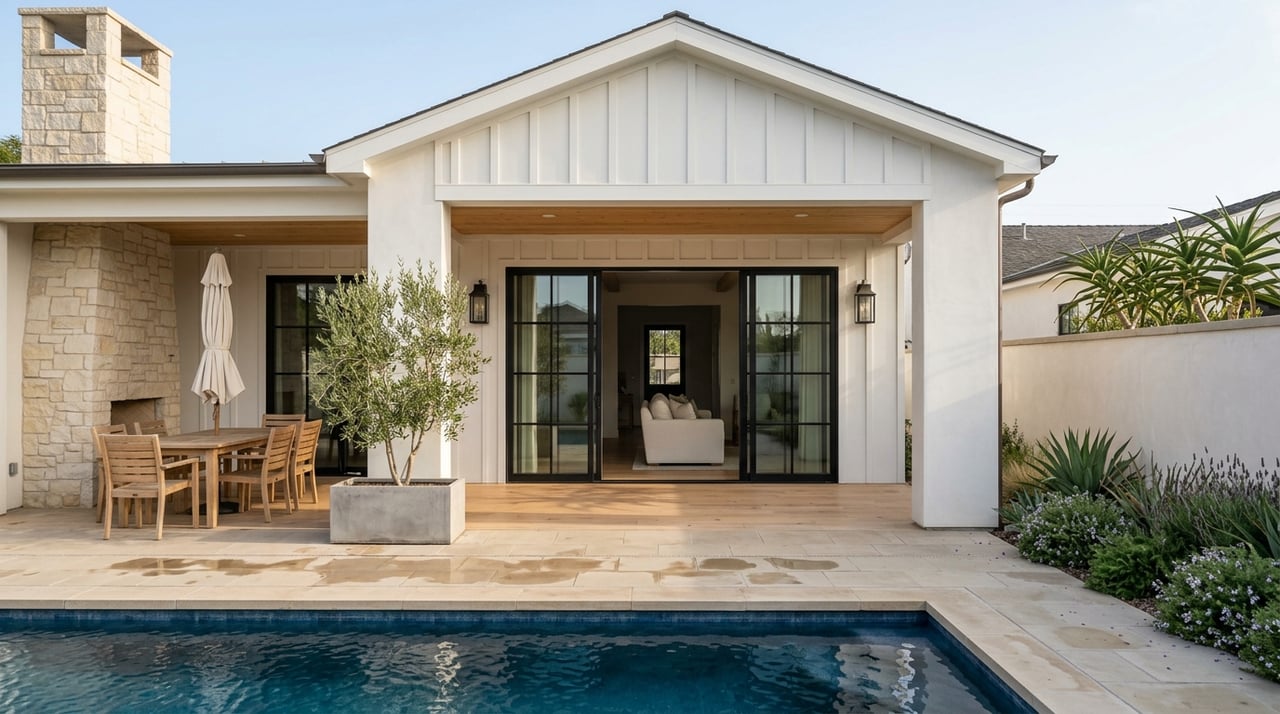
Close to Ocean Front Walk you will see small beach cottages, low-rise condos, and apartments, along with modern multi-story rebuilds that chase views. Lots are tight and outdoor space is limited on many properties. The scene is lively and public-facing, so windows, setbacks, and privacy design details matter.
Best fit and tradeoffs
Choose the Boardwalk if you want immediate ocean access, people-watching, and walk-out-the-door activity. Be ready for more ambient noise and visitors, and plan for guest parking strategies. If you work from home or value quiet nights, consider how sound and privacy treatments will support your routine.
Venice Canals lifestyle
Day-to-day pace
The canals feel intimate and residential. You will see neighbors walking dogs, photographers capturing bridge views, and far fewer transient crowds than the beachfront. Mornings and evenings are calm, with soft water movement and footbridges connecting narrow pedestrian paths.
Historic setting
Created in the early 1900s as part of Abbot Kinney’s vision, the remaining canal network is an identified historic district. Water management is part of life here, including gates and periodic maintenance. The overall character favors slow, site-based living rather than spectacle.
Canal and walk-street homes
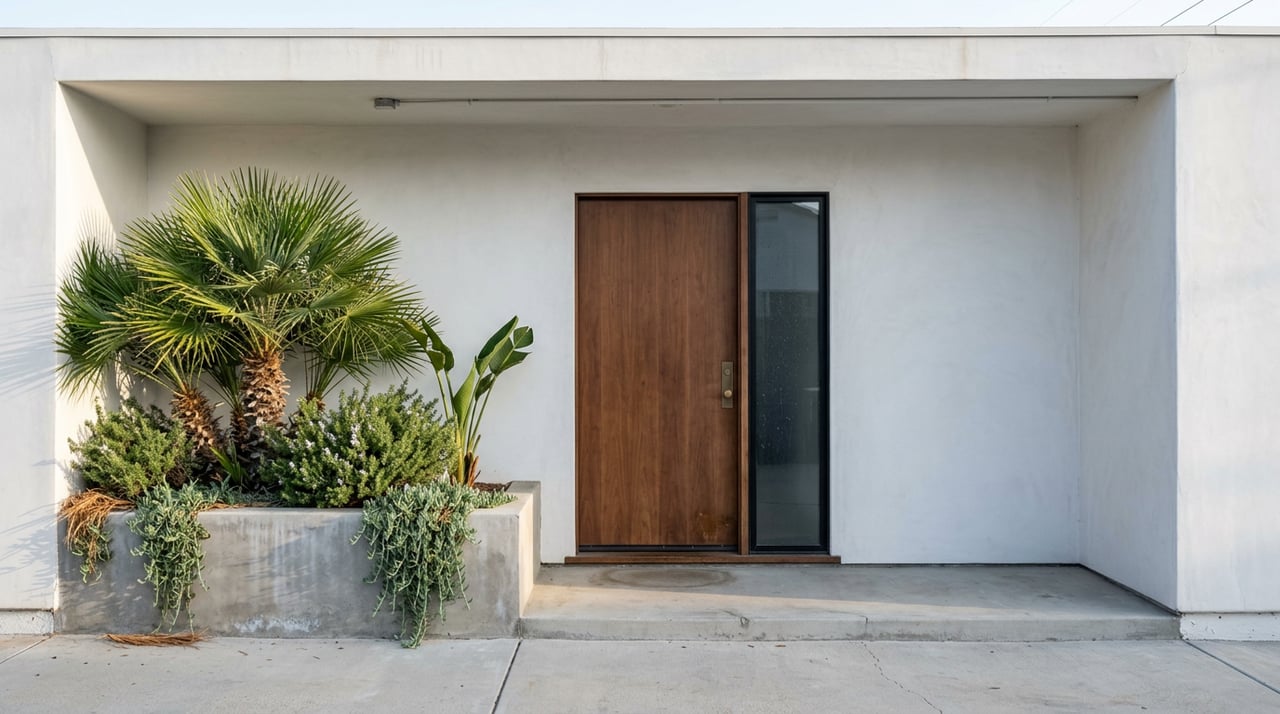
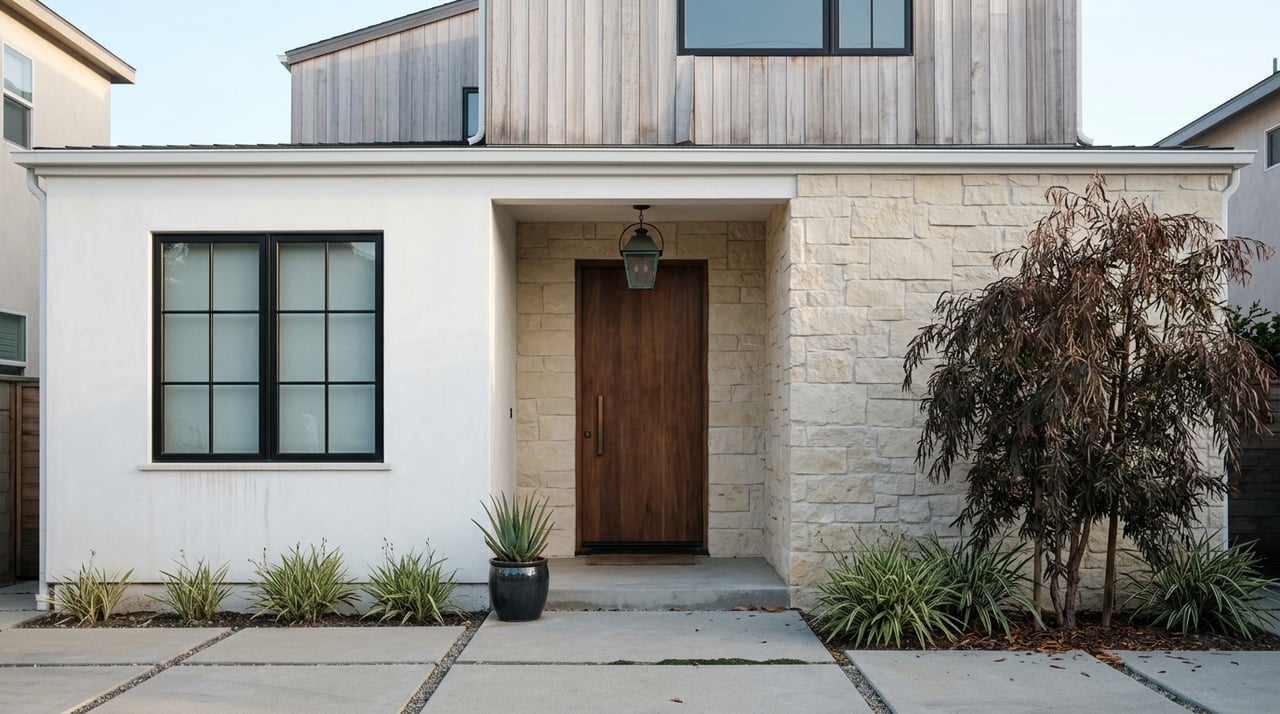
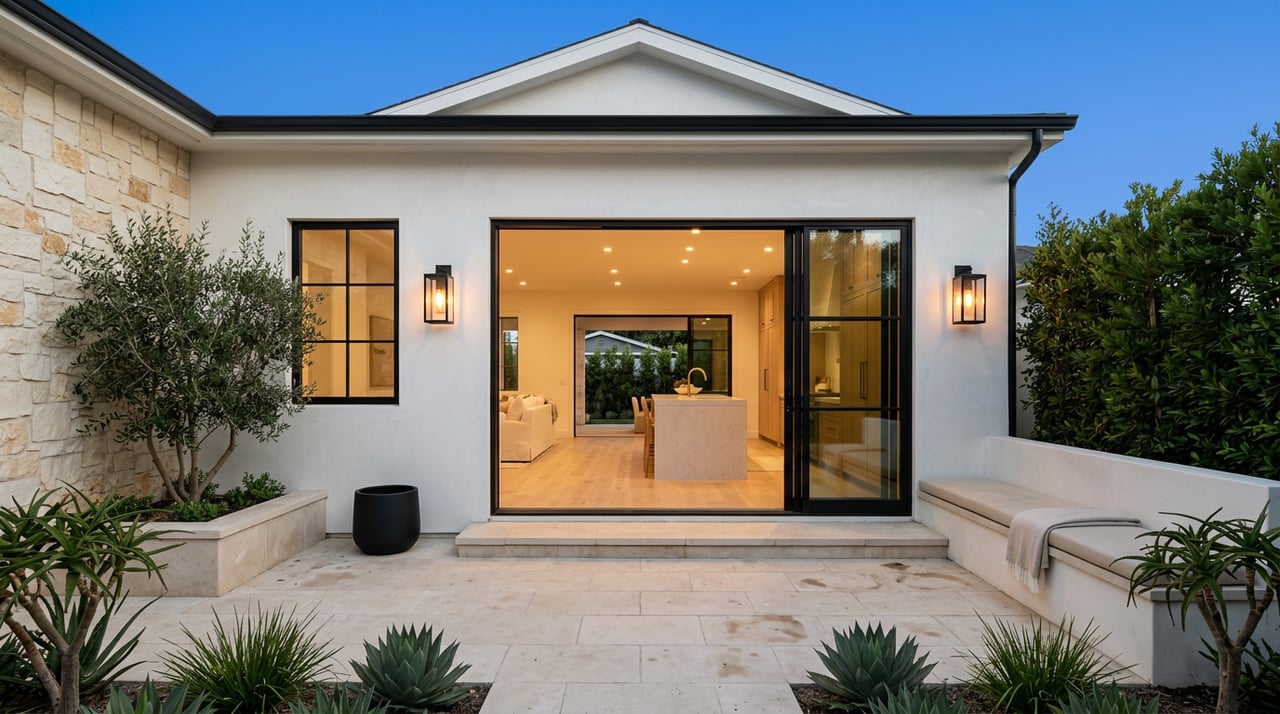
Expect a mix of historic cottages, Craftsman bungalows, Mediterranean and period-revival styles, along with tasteful modern infill. Canal-front properties face the water and often include bulkheads or small docks. Nearby pedestrian-only walk streets hold preserved bungalows and newer small-lot modern homes with a garden-forward feel.
Best fit and tradeoffs
Choose the canals if you prioritize privacy, a quieter residential setting, and water views. The tradeoff is a more tucked-in location and the responsibilities that come with waterfront exposure. If you host often, confirm guest parking options and local rules for visitors.
Walkability and access
Foot, bike, and transit
Venice scores highly for walkability and bikeability, often in the 80s on common walk metrics. Many errands are a short walk or bike ride, and the Marvin Braude Beach Trail offers about 22 miles of coastal path for cycling, jogging, and commuting. Several bus lines serve the neighborhood for connections to Santa Monica and greater Los Angeles.
Parking and visitors
Near the beach, curb space can be tight, especially on weekends and during events. The City manages coastal parking and permit programs, and enforcement can vary by block. If you rely on street parking, evaluate a home’s garage setup, alley access, and guest strategies during peak seasons.
Architecture at a glance
- Boardwalk blocks: small beach cottages, low-rise condos and apartments, plus modern multi-story homes built to frame ocean views. Outdoor space is often compact and street-level activity is constant.
- Canals and walk streets: historic cottages and bungalows mixed with period-revival and modern infill on small lots. Canal-front homes open to the water, while walk-street homes enjoy pedestrian paths and landscaped setbacks.
- Historic context: canal-area designations can affect renovation scope and approvals. If you plan to expand or rebuild, check whether a property is a contributing resource and what that means for permitting.
Market signals to know
The broader Venice area has commonly shown median listing prices in the low-to-mid millions in recent years, often around 1.8 million to 2.4 million. Canal-front homes trade at a premium compared with neighborhood medians. Recent examples include sales such as 2405 Grand Canal at about 3.5 million on 03/10/2025, 239 Linnie Canal at about 4.545 million on 02/22/2025, and 404 Sherman Canal at about 6.3 million on 02/21/2025. Inventory is tight and prices can vary sharply by block, vintage, and whether a home is a preserved cottage or a larger modern build.
Practical considerations
- Noise and privacy: the Boardwalk brings more ambient noise and foot traffic. The canals are quieter, with a more residential pace.
- Parking and circulation: near-beach parking is competitive. Confirm garage dimensions, alley access, and permit details for you and your guests.
- Waterfront care: canal-front properties may involve bulkheads or seawall elements. Ask about maintenance history, flood considerations, and any special assessments.
- Historic review: in identified districts, exterior work may require additional approvals. Understand the process and timelines before you plan major changes.
- Insurance and resilience: beachfront and canal-front parcels have exposure to coastal hazards. Review official flood maps and discuss insurance options and mitigation strategies with your advisors.
How we help you choose
If you are torn between surfside energy and canal-side calm, a block-by-block evaluation is the difference-maker. We will map lifestyle fit, privacy, parking, and renovation potential, then pair that with current market intel and off-market access. Whether you want a classic walk-street cottage or a modern ocean-view perch, our team will help you navigate the details and act with confidence.
Ready to compare short lists on the ground and craft your plan? Connect with Pence Hathorn Silver for a thoughtful, local-first strategy.
FAQs
What is daily life like near the Venice Boardwalk?
- Expect a lively, public environment with constant foot traffic, street performers, beach recreation, and easy access to cafés, with more noise and parking demand.
How quiet are the Venice Canals day to day?
- Most days are calm and residential, with neighbors walking and lighter visitor flow than the beachfront, plus water views and pedestrian footbridges.
What home types are common on the Boardwalk and canals?
- Boardwalk blocks feature small cottages, condos, apartments, and modern rebuilds, while the canals offer historic cottages, bungalows, period-revival styles, and modern infill.
How walkable is Venice for errands and recreation?
- Venice rates highly for walking and biking, with many services nearby and the Marvin Braude Beach Trail providing an oceanfront spine for cycling and jogging.
Do historic rules affect renovations in the canal area?
- Yes. Canal and walk-street properties may fall under historic review, so exterior changes can require additional permits and preservation-sensitive approvals.