If you are preparing to sell a family home in Pacific Palisades, presentation is not a small detail. In a market where buyers are comparing condition, polish, and readiness at a high price point, the way your home looks and feels can shape first impressions fast. With typical home values in Pacific Palisades at $3,044,325 and homes going pending in about 41 days as of May 31, 2026, a strategic plan can help you enter the market with confidence. Let’s dive in.
Why prep matters in Pacific Palisades
Pacific Palisades is a high-value market where buyers often expect a home to feel cared for, visually clean, and easy to understand from the moment they see it. That does not mean you need a major renovation. It means the right details should feel finished, intentional, and aligned with how buyers shop today.
This is also a community within Los Angeles where wildfire readiness is part of the conversation. Because Pacific Palisades is included in the City’s Very High Fire Hazard Severity Zone, exterior maintenance and vegetation control matter for more than curb appeal. They can also signal that the property has been responsibly maintained.
Start with visible repairs first
Before you think about décor, focus on anything a buyer will notice right away. Small defects can make buyers wonder about larger deferred maintenance, especially in a luxury market where expectations tend to be high. A strategic pre-listing plan starts by addressing the items that are easiest to see and hardest to ignore.
Create a short repair list and work through it in order of impact. Prioritize safety issues, worn finishes, damaged hardware, sticky doors, chipped paint, and anything that interrupts a clean showing experience. The goal is not perfection in every corner. The goal is to remove distractions.
Focus on the rooms buyers notice most
Not every room needs the same level of attention. According to NAR’s 2025 staging research, buyers’ agents said the rooms buyers most wanted staged were the living room, primary bedroom, and kitchen. On the seller side, the rooms staged most often were the living room, primary bedroom, dining room, and kitchen.
That gives you a practical roadmap for a family home in Pacific Palisades. Start with the spaces where daily life happens most visibly and where buyers tend to imagine themselves first. When those rooms feel bright, calm, and functional, the whole home often shows better.
Living room
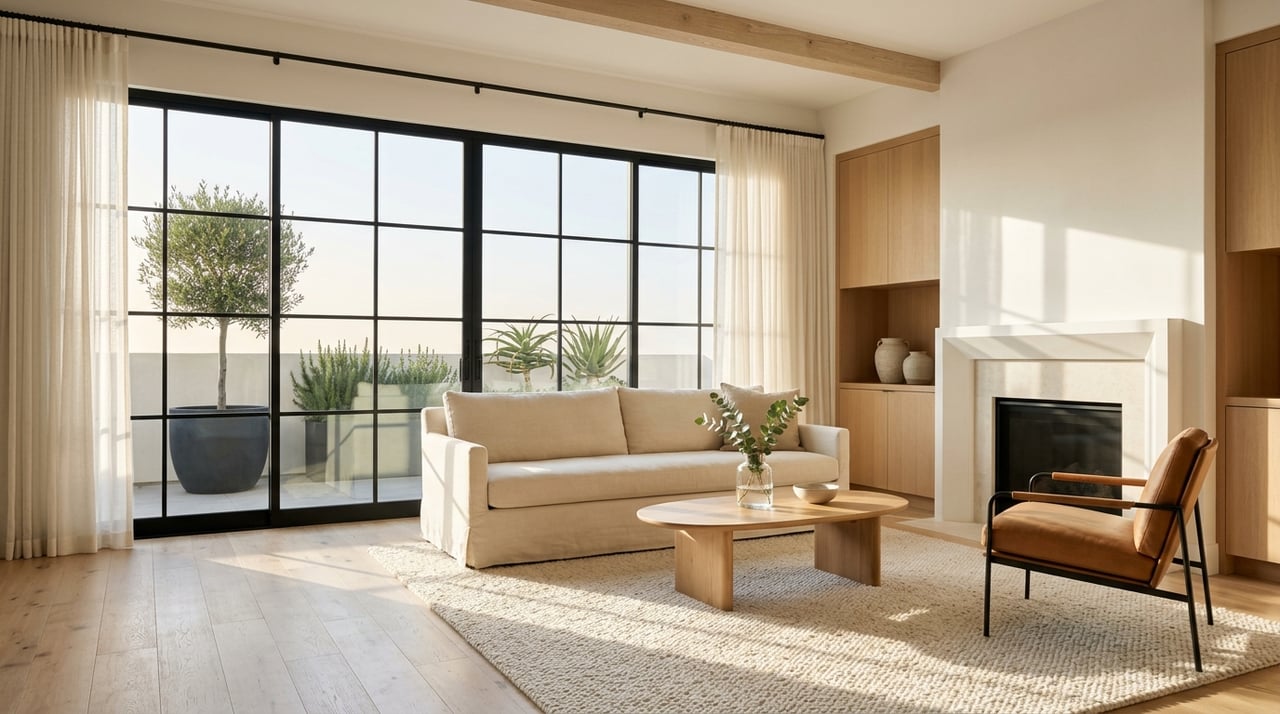
Your living room should feel open and easy to navigate. Remove extra furniture, simplify accessories, and create a seating arrangement that highlights scale and natural light. If the room currently feels crowded, even a few edits can make it read larger in person and in photos.
Primary bedroom
The primary bedroom should feel restful, not overfilled. Clear surfaces, reduce personal items, and keep the palette simple. Buyers respond well when the space feels calm and move-in ready.
Kitchen and dining areas
In the kitchen, visual cleanliness matters. Clear counters, organize open shelves, and make sure lighting, cabinet hardware, and finishes look fresh and consistent. In nearby dining areas, keep the setup simple so buyers focus on flow and usable space rather than styling choices.
Flexible secondary rooms
For family homes, secondary bedrooms, bonus rooms, and play spaces can sometimes feel too specific. If a room is heavily personalized for one use, buyers may have trouble picturing their own needs there. A better strategy is to let those rooms read as flexible space.
Use staging strategically, not excessively
Staging can help buyers connect emotionally with a home, but it does not need to be dramatic to be effective. NAR’s 2025 staging research found that 83% of buyers’ agents said staging helps buyers visualize a property as a future home. That is a strong reason to consider light, intentional staging before launch.
For many sellers, the best approach is selective staging rather than a full redesign. The same report found the median amount spent on a professional staging service was $1,500. In many cases, a few targeted updates in the main rooms can go further than a large remodel.
Choose small, high-impact upgrades
If you are deciding where to spend before listing, think visible and practical. NAR’s 2025 remodeling report pointed to strong cost recovery for relatively modest projects, including a new steel front door, closet renovation, and new fiberglass front door. That supports a pre-listing strategy built on targeted improvements instead of major construction.
For a Pacific Palisades family home, this often means refreshing the entry, improving storage presentation, and making sure the home feels orderly from the start. Buyers notice the front door before they notice almost anything else. They also notice whether closets and storage spaces feel useful and well kept.
Elevate curb appeal with purpose
Exterior presentation matters almost as much as interior presentation. In NAR’s outdoor-features research, 92% of real estate professionals said they suggest sellers improve curb appeal before listing, and 97% said curb appeal is important in attracting a buyer. That is especially relevant in a neighborhood where buyers often evaluate both lifestyle and upkeep from the street.
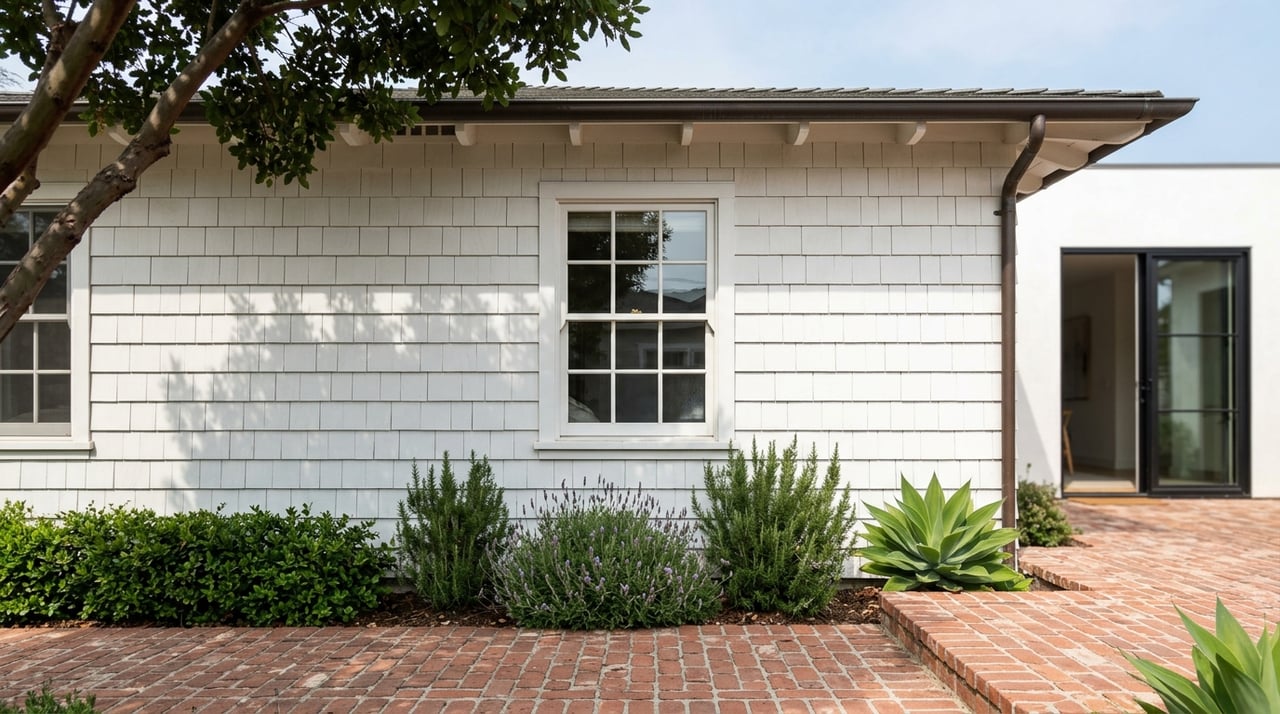
Routine landscape maintenance is a smart place to start. Trim overgrowth, remove debris, refresh planting beds, and make walkways and entry areas look clean and intentional. A tidy exterior helps your home feel inviting before a buyer ever steps inside.
Treat wildfire readiness as listing prep
In Pacific Palisades, exterior work is also part of wildfire readiness. CAL FIRE defines defensible space as the buffer between a structure and surrounding vegetation, and it notes that the first five feet from the home is the most important area. Guidance includes using hardscape near the structure, removing dead vegetation and debris from roofs, gutters, and decks, and reducing fuel within 100 feet of the property line.
Los Angeles has additional standards in the Very High Fire Hazard Severity Zone. LAFD says properties in the zone must be maintained year-round within 200 feet of structures and within 10 feet of combustible fences or roadways and driveways. The city also requires grass to be cut to 3 inches in those areas, trees trimmed so foliage is not within 10 feet of chimney outlets, and roof surfaces kept clear of leaves and other combustible matter.
For sellers, this means yard prep can do two jobs at once. It improves the look of the property, and it shows buyers that you have taken local maintenance responsibilities seriously. If you plan to do brush clearance near your list date, schedule it early. LAFD advises avoiding brush clearance on red-flag days and keeping a water source nearby, so last-minute timing can become a problem.
Finish prep before photos and video
Marketing works best when the home is fully ready first. NAR’s 2025 staging research found that buyers’ agents rated photos, traditional physical staging, videos, and virtual tours as important to clients. The same research found that many buyers expect homes to look staged like TV homes, and a majority are disappointed when they do not.
That is why the sequence matters. Stage first, finish the yard, complete repairs, and then book photography and video. If you photograph too early, you risk capturing details that should have been resolved before the home ever hits the market.
Build your disclosure package early
Physical prep is only part of the process in California. Disclosure readiness should happen at the same time, not after you accept an offer. Early organization can help reduce friction once buyers begin asking questions.
The California Department of Real Estate explains that the Transfer Disclosure Statement covers the property’s physical condition and potential hazards or defects. It is not a warranty, and it is not a substitute for inspections. Sellers of one to four dwelling units must also make Natural Hazard disclosures when applicable, including whether a property is in a designated very high fire hazard severity zone, earthquake fault zone, or seismic hazard zone.
For Pacific Palisades sellers, the wildfire-zone component is especially relevant. The Natural Hazard Disclosure Statement includes a Very High Fire Hazard Severity Zone designation, and the Department of Real Estate notes that these hazards may affect a buyer’s ability to develop the property, obtain insurance, or receive disaster assistance. LAFD also states that AB38-related fire-hardening disclosures apply to residential properties of one to four units in the VHFHSZ that were built before January 1, 2010.
Gathering documents early helps you prepare for these conversations in a more orderly way. It also reduces the chances that paperwork becomes a last-minute source of stress.
A practical pre-listing checklist
If you want a simple way to organize your next steps, start here:
- Repair visible wear, deferred maintenance, and safety concerns
- Refresh the living room, primary bedroom, kitchen, and dining area first
- Simplify highly personalized secondary rooms so they feel flexible
- Improve curb appeal with trimming, cleanup, and entry updates
- Complete wildfire-focused exterior maintenance in line with local requirements
- Finish staging before photography, video, and launch
- Assemble disclosure materials early, including hazard-related documentation when applicable
Smart prep can protect your launch
A strong listing debut usually looks effortless to buyers, but it rarely happens by accident. In Pacific Palisades, strategic prep means presenting your home well, addressing visible condition issues, and making sure exterior readiness matches local wildfire realities. It also means having the right marketing sequence and disclosure plan in place before your listing goes live.
When those pieces come together, your home can enter the market looking polished, well managed, and ready for serious buyer attention. If you are preparing to list in Pacific Palisades and want a thoughtful, high-touch plan for presentation, timing, and launch, connect with Pence Hathorn Silver to schedule a free consultation.
FAQs
What rooms should you prepare first when listing a Pacific Palisades family home?
- Start with the living room, primary bedroom, kitchen, and dining area, since staging research shows these spaces matter most to buyers.
How important is staging for a Pacific Palisades home sale?
- Staging can be very helpful because NAR’s 2025 research found that 83% of buyers’ agents said it helps buyers visualize a property as a future home.
What exterior work matters most before listing in Pacific Palisades?
- Focus on curb appeal basics like trimming, cleanup, debris removal, and a neat entry, while also meeting local brush-clearance and vegetation-maintenance expectations.
Why does wildfire readiness matter when selling a Pacific Palisades home?
- Pacific Palisades is in Los Angeles’ Very High Fire Hazard Severity Zone, so buyers may pay close attention to defensible space, roof and gutter debris, and overall exterior maintenance.
When should you schedule listing photos for a Pacific Palisades property?
- Schedule photos only after repairs, staging, and yard work are fully complete so your marketing reflects the home at its best.
What disclosures should sellers expect for a Pacific Palisades home?
- Sellers of one to four dwelling units should expect California property condition disclosures and, when applicable, Natural Hazard disclosures that may include a Very High Fire Hazard Severity Zone designation.